

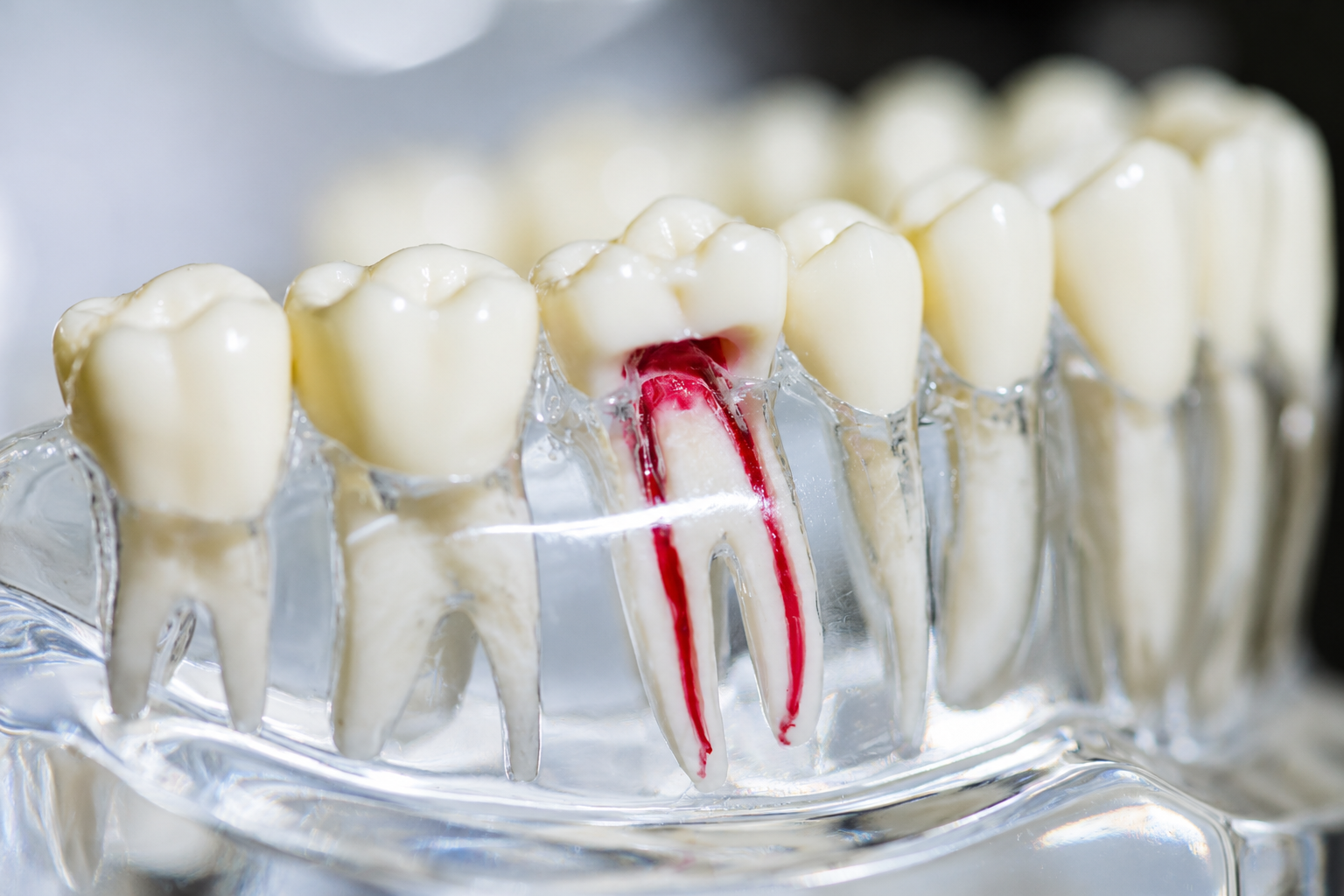
A root canal is a dental procedure that removes infected or damaged tissue from inside a tooth, cleans the root canals, and seals the tooth to prevent further infection. It is one of the most reliable ways to stop severe tooth pain and save a tooth that would otherwise need to be extracted.
If you have been putting this off because you are nervous about the procedure, that is completely understandable. Many patients at JB Dental Associates in Sterling, VA come in with real anxiety about root canals, often based on outdated information. The procedure has changed significantly, and most patients are relieved to find it far more manageable than they expected. Dr. and the team take that concern seriously and work at your pace.
The most immediate benefit is relief. Tooth infections and nerve damage cause some of the sharpest pain in dentistry. Treating the source directly addresses that pain rather than masking it with medication that wears off.
Keeping your natural tooth matters more than most patients realize. Extraction may seem like the simpler option, but replacing a missing tooth with an implant or bridge costs more and takes longer. A root canal preserves the tooth you already have, which is almost always the better long-term choice for your oral health and your budget.
Untreated infections do not stay contained. They can spread to surrounding teeth, the jawbone, and in serious cases beyond the mouth. Addressing the problem now protects the rest of your smile and avoids the significantly higher cost of treating more advanced damage later.

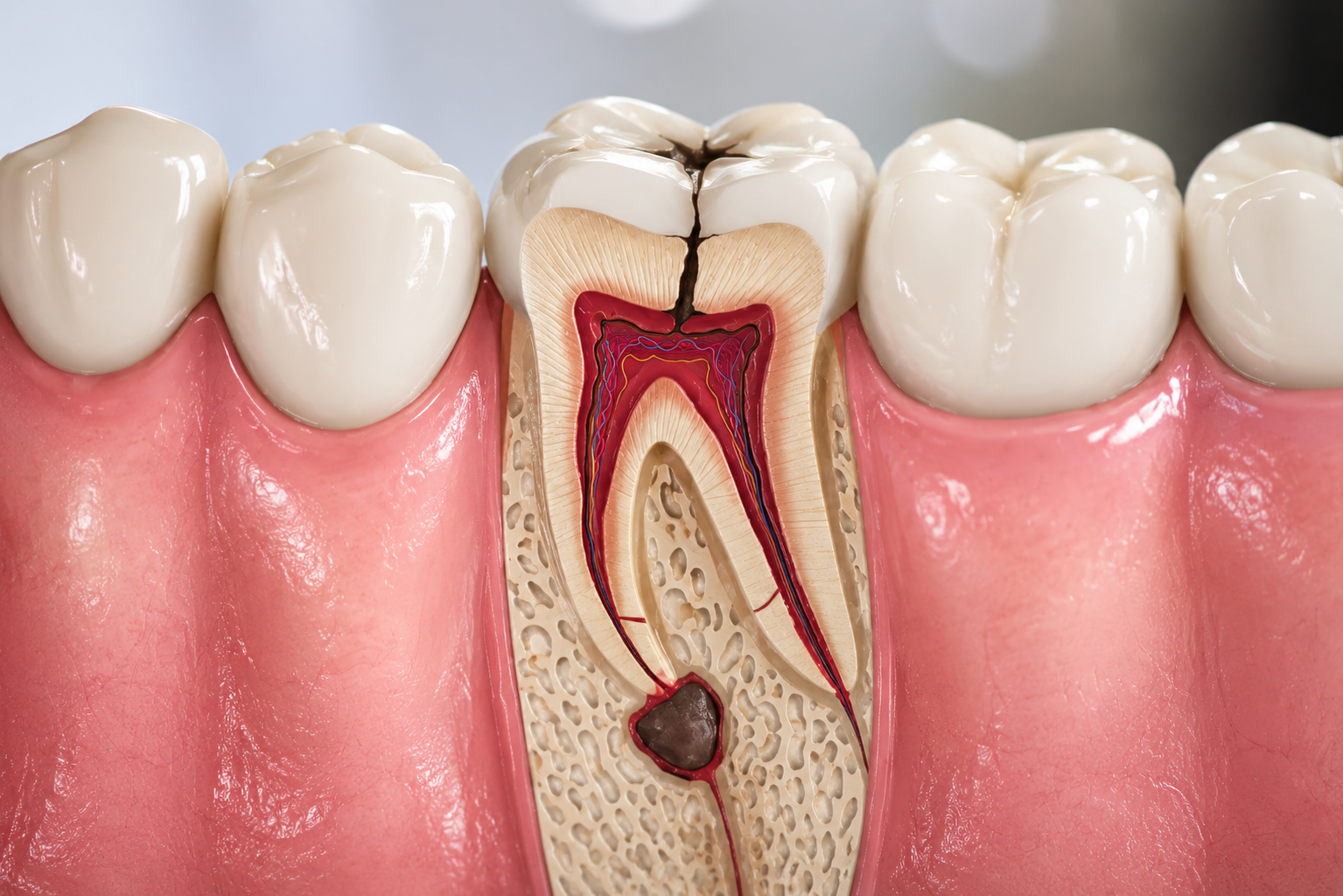
Severe or persistent tooth pain is the most common reason patients in Sterling seek root canal treatment. When pain intensifies with pressure, heat, or cold and does not ease up, it often points to nerve involvement inside the tooth that requires direct treatment.
A visible abscess or swelling near the gum line around a tooth is a sign of active infection. This type of infection requires prompt care. A root canal clears the infection at its source and gives the surrounding tissue a chance to heal.
Deep decay or a cracked tooth can expose the inner pulp of a tooth to bacteria. Once the pulp becomes infected or dies, a root canal is typically the appropriate treatment to save the tooth and prevent the infection from spreading to neighboring teeth or the jawbone.