
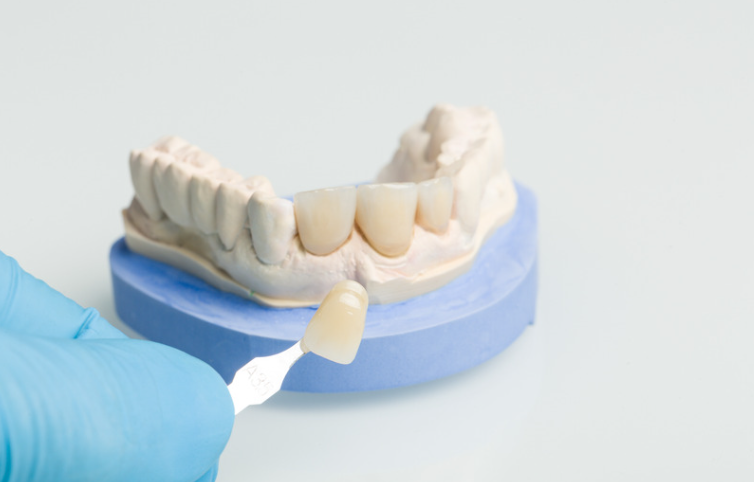
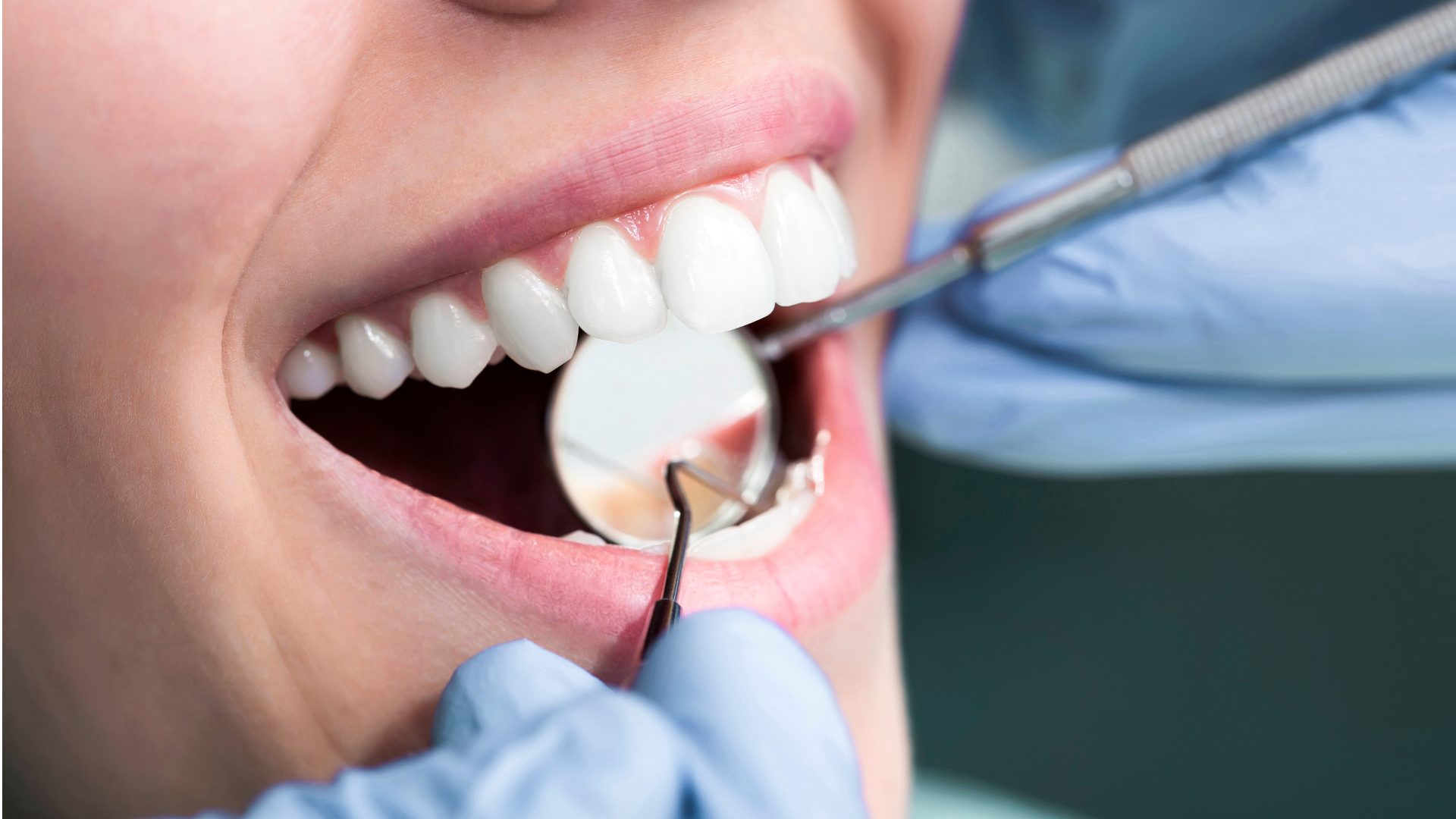
A dental crown is a custom-fitted cap placed over a damaged or weakened tooth to restore its shape, strength, and appearance. It covers the entire visible portion of the tooth above the gumline, protecting what remains and allowing you to chew, speak, and smile normally again.
If you have been putting this off because you are nervous about the process or worried about the cost, that is completely understandable. Most patients at JB Dental Associates in Sterling, VA come in with the same hesitation. The goal here is to give you honest information, a clear treatment plan, and care that fits your situation.
A crown stops a damaged tooth from getting worse. When a tooth is cracked or severely decayed, leaving it untreated often leads to more extensive and more expensive treatment down the road. A crown placed now can protect the natural tooth and help you avoid a future extraction.
You get full chewing function back. Many patients with a broken or heavily filled tooth avoid chewing on that side without even realizing it. After a crown is placed, that tooth can handle normal bite pressure again, so eating is no longer something you work around.
The result looks like a natural tooth. Modern crowns are designed to match the color and shape of your surrounding teeth. Most people will not be able to tell the difference, and neither will you when you look in the mirror.
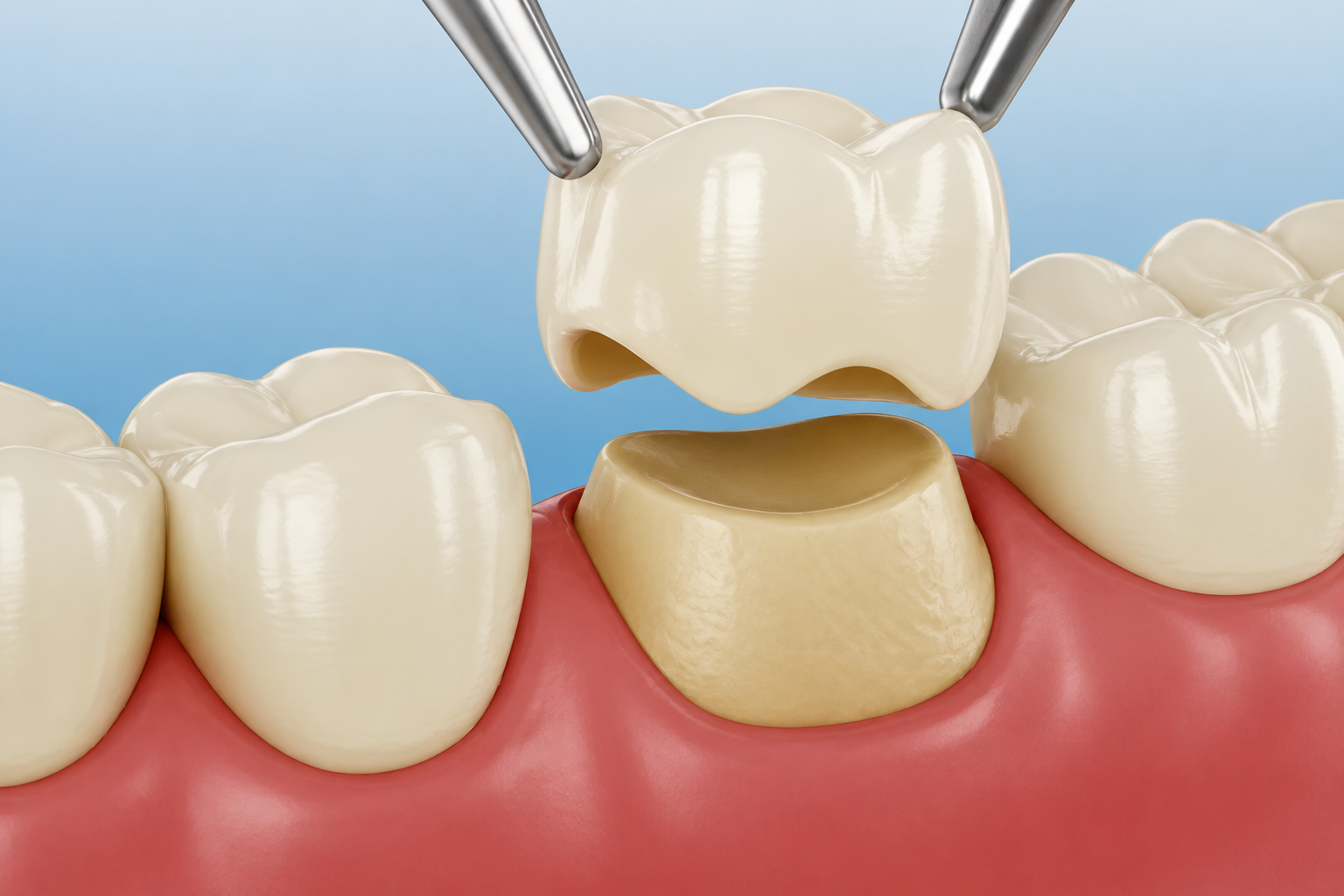
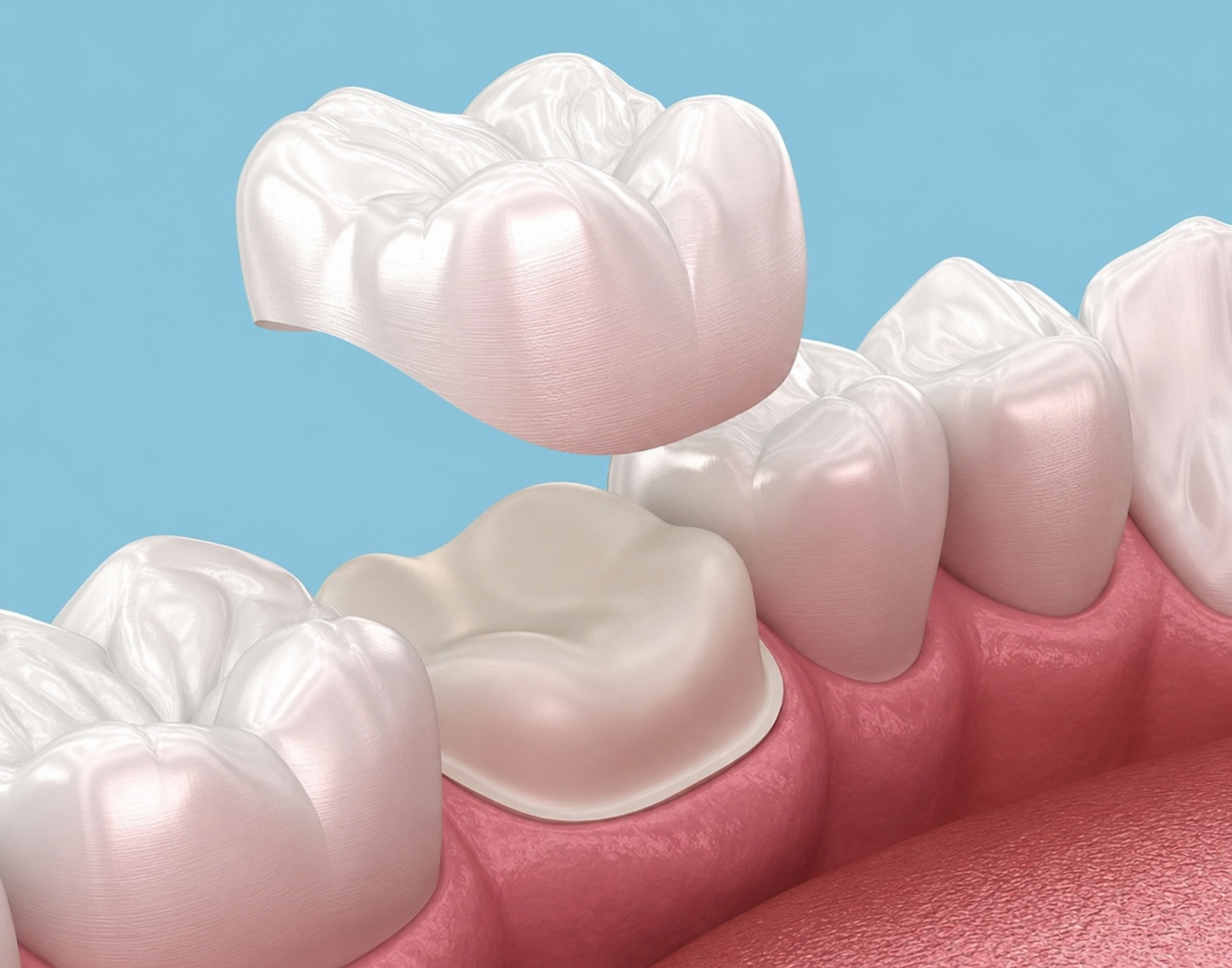
A tooth that has a large cavity or significant decay may not have enough healthy structure left to support a filling. In these cases, a dental crown provides full coverage and restores the tooth without requiring removal.
If you have a cracked or fractured tooth, a crown holds the pieces together and prevents the crack from spreading deeper into the root. Patients in Sterling who ignore a cracked tooth often find the problem escalates to the point of needing more invasive care.
After a root canal, the treated tooth becomes more brittle over time. Placing a crown over it protects that tooth and extends its lifespan considerably. A crown is also the final step when restoring a dental implant.