

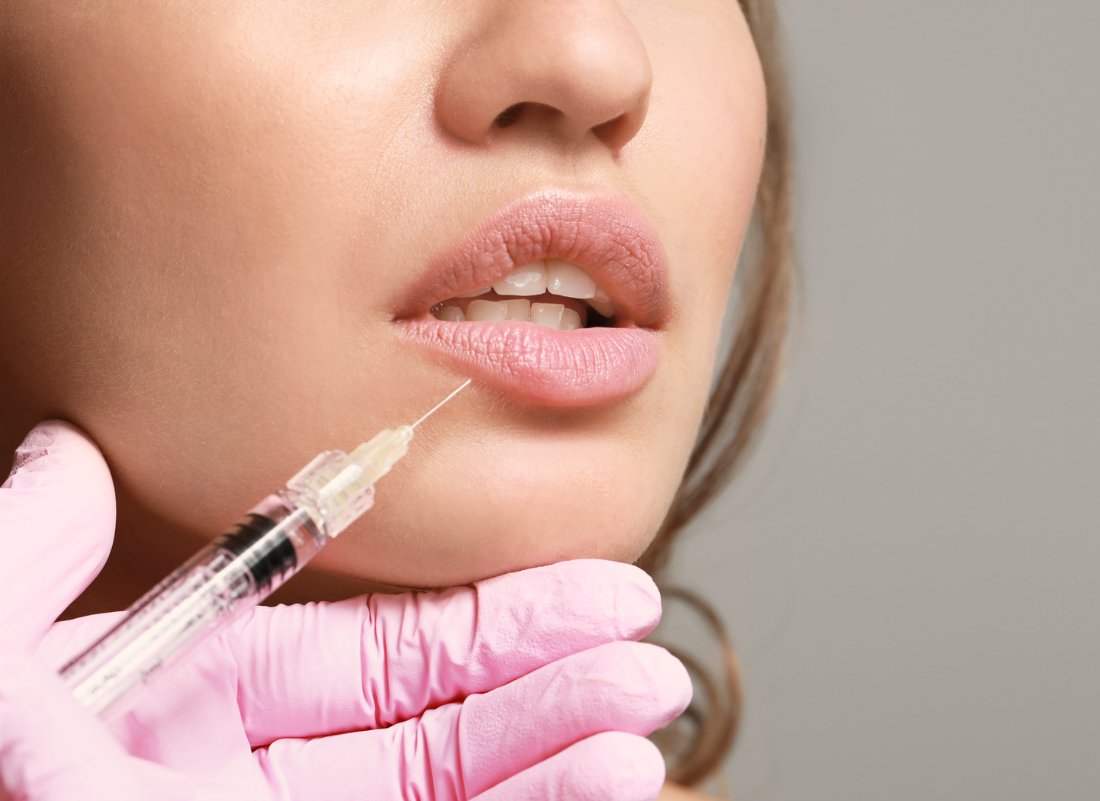
Botox is an FDA-approved injectable treatment that relaxes targeted facial muscles, reducing the appearance of lines and wrinkles caused by repeated movement. At JB Dental Associates in Sterling, VA, it is also used therapeutically to relieve jaw clenching, teeth grinding, and TMJ-related tension. Dr. provides Botox as part of a broader approach to facial and dental wellness.
If you have been putting this off because you are unsure what to expect, that is a common feeling. Many patients come in nervous about needles or worried the results will look unnatural. Those concerns are worth addressing directly, and Dr. takes the time to walk through every step before anything begins.
Fewer visible lines mean more confidence in how you look and how you feel in everyday conversations. Botox targets the specific muscles responsible for crow's feet, forehead lines, and frown lines, softening them without affecting your natural facial expressions.
For patients dealing with chronic jaw tension, Botox offers real relief. Clenching and grinding put significant stress on your teeth and jaw joints over time. Relaxing those muscles reduces that pressure, which can ease headaches, facial soreness, and the wear on your teeth that builds up over years.
Treatment sessions are brief. Most appointments at JB Dental Associates are completed in under 30 minutes, with no recovery period required. You can return to your normal schedule the same day.


Bruxism, or habitual teeth grinding, puts long-term pressure on your teeth and jaw. Botox injections into the masseter muscle reduce the intensity of that grinding, helping protect your teeth from damage and your jaw from ongoing strain.
TMJ disorder causes pain, clicking, and stiffness in the jaw joint. When conservative treatments have not provided sufficient relief, Botox can reduce the muscle tension driving those symptoms and make daily activities like eating and talking more comfortable.
Cosmetic concerns like forehead lines, crow's feet, and the vertical lines between the brows respond well to Botox when the underlying cause is repeated muscle movement. Dr. evaluates each patient individually to determine whether Botox fits the specific concern being treated.