
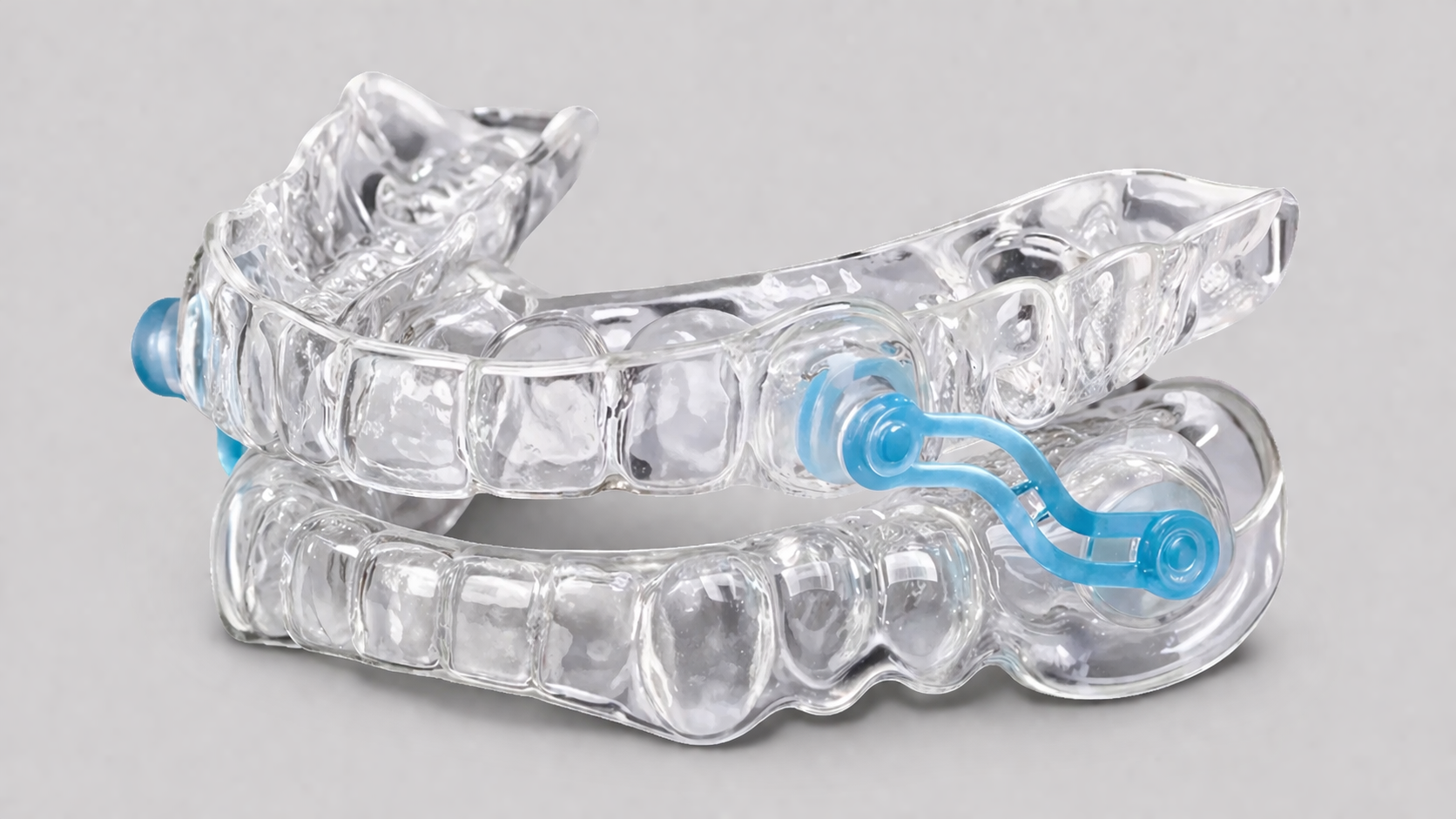


Oral appliance therapy works well for a specific range of patients. Not everyone qualifies, and we'll tell you that honestly if it applies to your case.
You may be a strong candidate if you:
The process starts with the right information. If you haven't had a sleep study, that's the first step. Diagnosis confirms whether OSA is present, how severe it is, and whether an oral appliance is appropriate as a standalone treatment or part of a broader plan. If you've already been diagnosed, bring your sleep study results to your consultation. Dr. Bahng reviews the data, evaluates your airway and jaw anatomy, and recommends a course of action based on findings, not assumptions.
We coordinate with your physician or sleep specialist throughout treatment. For patients managing a diagnosed sleep disorder, this is a medical decision and we treat it that way.









If you haven't been diagnosed with sleep apnea, yes. A sleep study is the only way to confirm whether OSA is present and how severe it is. That information determines whether an oral appliance is appropriate and whether medical insurance may cover treatment. If you've already completed a sleep study, bring those results to your consultation.
A snore guard reduces snoring by repositioning the jaw. A sleep appliance is fabricated and calibrated specifically for patients with a diagnosed sleep disorder and involves a more involved clinical process, including physician coordination, outcome tracking, and follow-up sleep testing to confirm effectiveness.
Yes. CPAP intolerance is one of the most common reasons patients seek oral appliance therapy. Many insurance plans, including Medicare, cover oral appliances for patients who cannot tolerate CPAP. We help determine your coverage before treatment begins.
Most patients adapt within one to two weeks. Minor jaw soreness or increased salivation is common early on and typically resolves quickly. We follow up after delivery to confirm fit and make any adjustments needed.