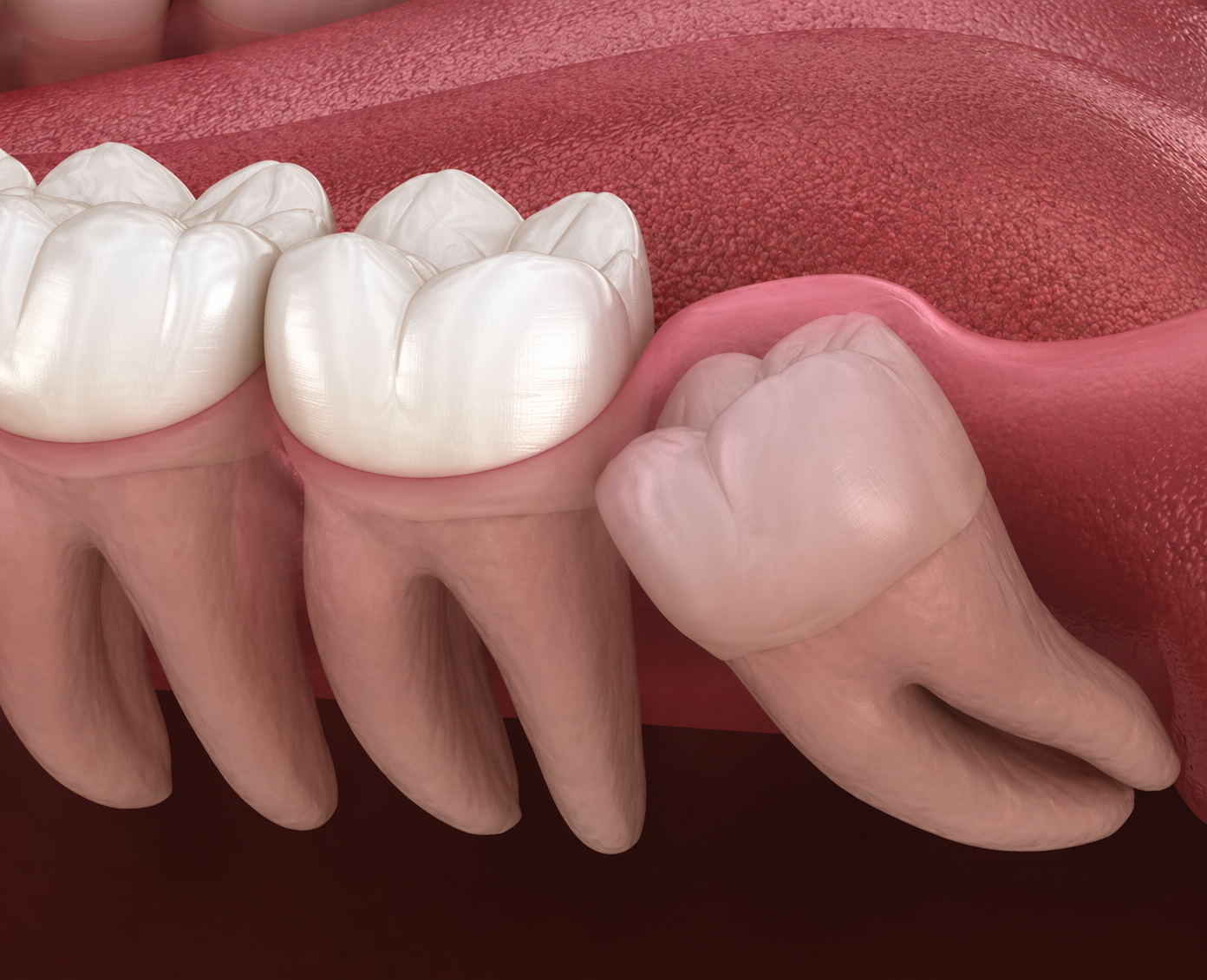

Wisdom teeth extractions are oral procedures that remove the third molars, the last teeth to develop, when they cause pain, crowding, infection, or cannot fully emerge from the gumline. At JB Dental Associates in Sterling, VA, extractions are performed in-office with local anesthesia to minimize discomfort during the procedure.
If you have been putting this off because you are nervous about pain or unsure whether you actually need it, that hesitation is completely normal. Many patients arrive at our Sterling office anxious and leave wondering why they waited so long. The goal is not just to remove a tooth. It is to stop a problem before it gets more serious and more expensive to fix.
Relief from chronic jaw pain and pressure is often the most immediate change patients notice. When a wisdom tooth is impacted or pressing against neighboring teeth, that dull ache becomes a daily distraction. Removing the source of that pressure typically reduces discomfort within the first few days of recovery.
Protecting your existing teeth is the longer-term benefit most patients do not consider until it is explained. Crowded or partially erupted wisdom teeth create hard-to-clean pockets where bacteria accumulate. Leaving them in place raises the risk of decay and gum disease affecting the healthy teeth beside them.
Addressing the problem now avoids a more complex and costly procedure later. An impacted tooth that goes untreated can damage roots, create cysts, or require more involved surgery down the road. Acting earlier generally means a smoother extraction and a faster recovery.
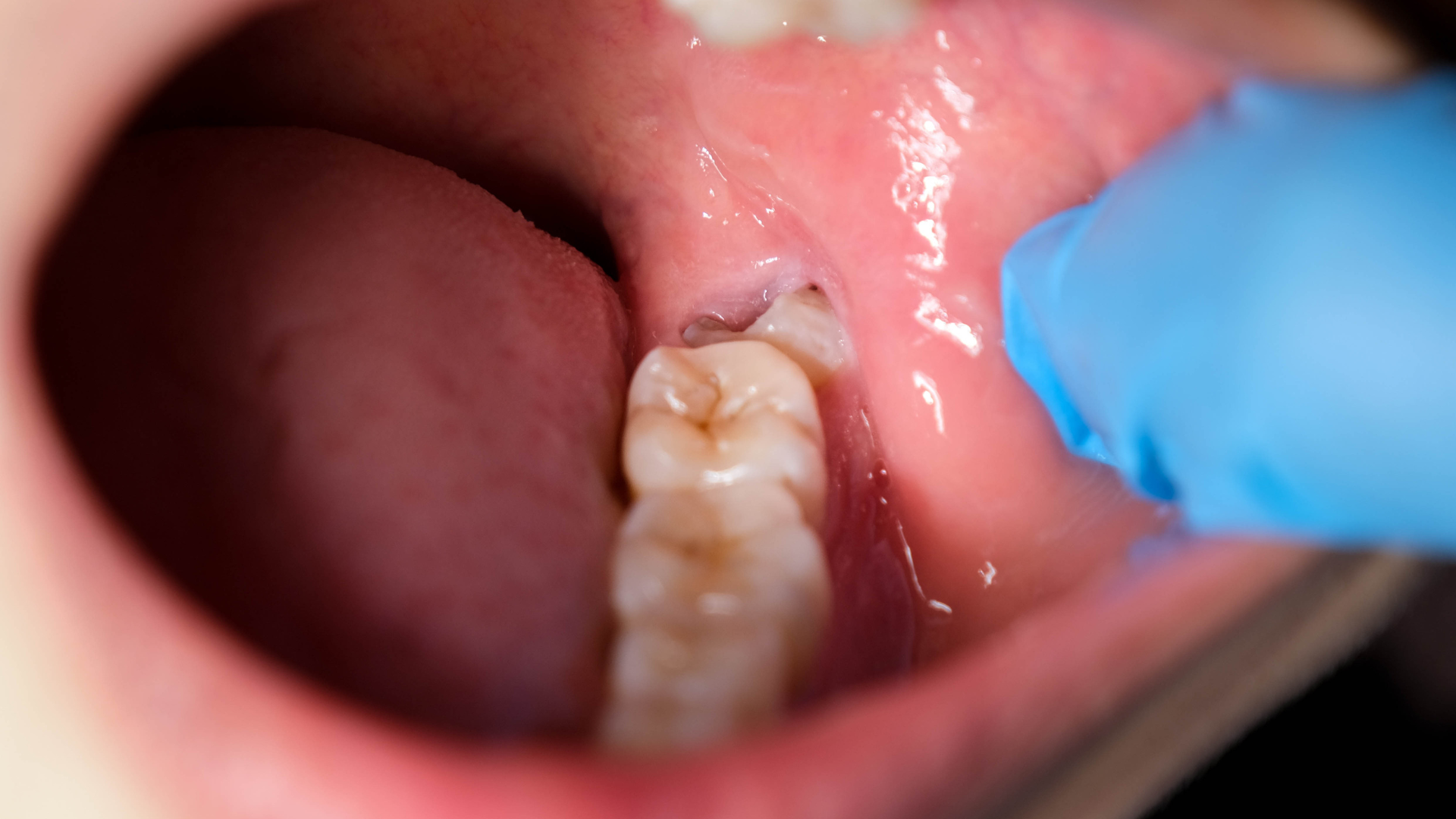
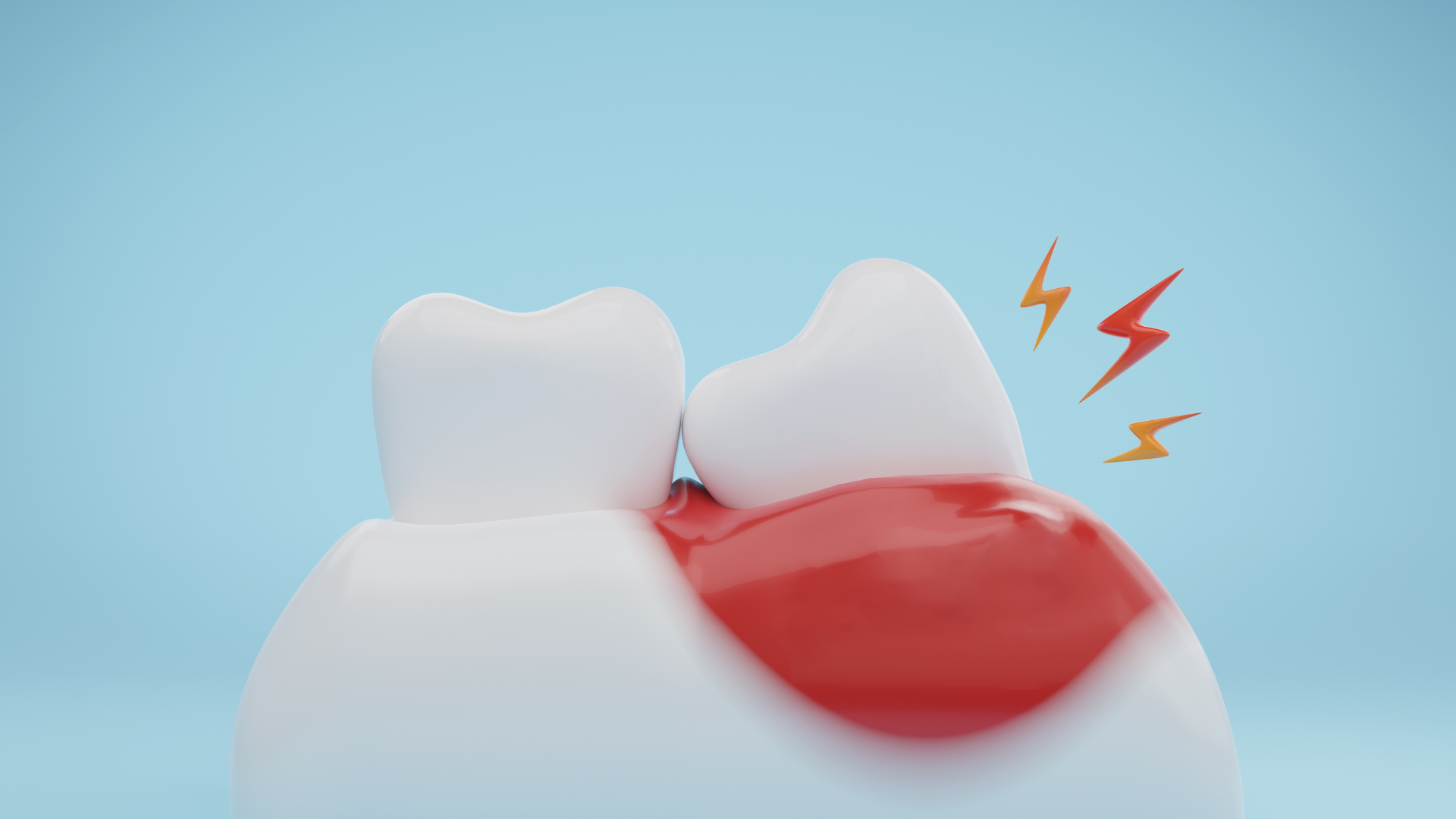
Impacted wisdom teeth are one of the most common reasons patients in Sterling seek extractions. When a tooth cannot fully break through the gumline, it may grow at an angle, press against neighboring teeth, and create ongoing pain or swelling that does not resolve on its own.
Partial eruption is another condition that often leads to extraction. A tooth that has only partially emerged leaves an opening in the gum tissue where food and bacteria collect easily. This frequently leads to a painful infection called pericoronitis, which tends to return until the tooth is removed.
Overcrowding is a third situation where removal makes sense. If your mouth does not have enough space to accommodate wisdom teeth without shifting your other teeth, extraction helps preserve the alignment you already have, including any orthodontic work you may have completed.