
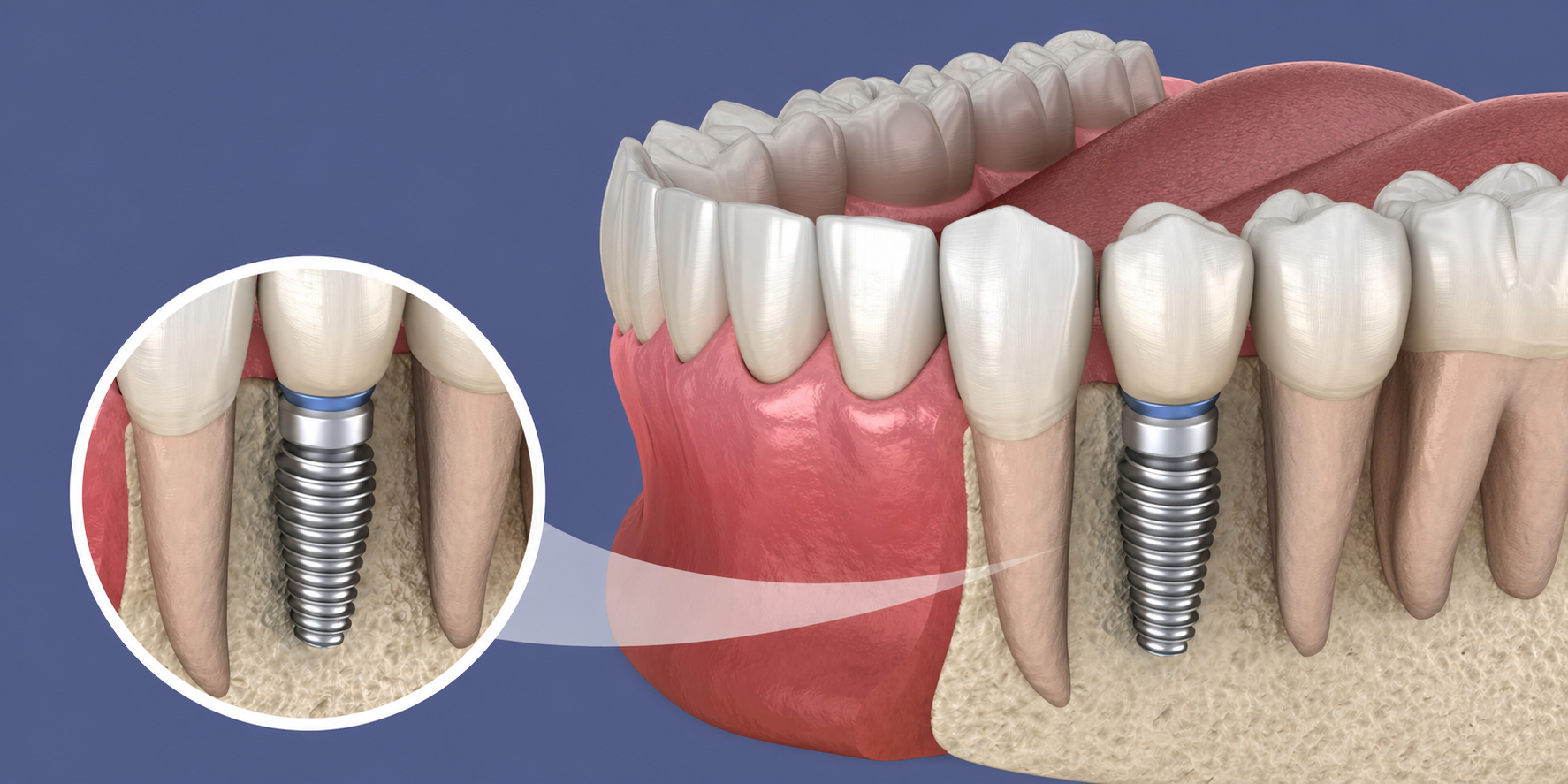
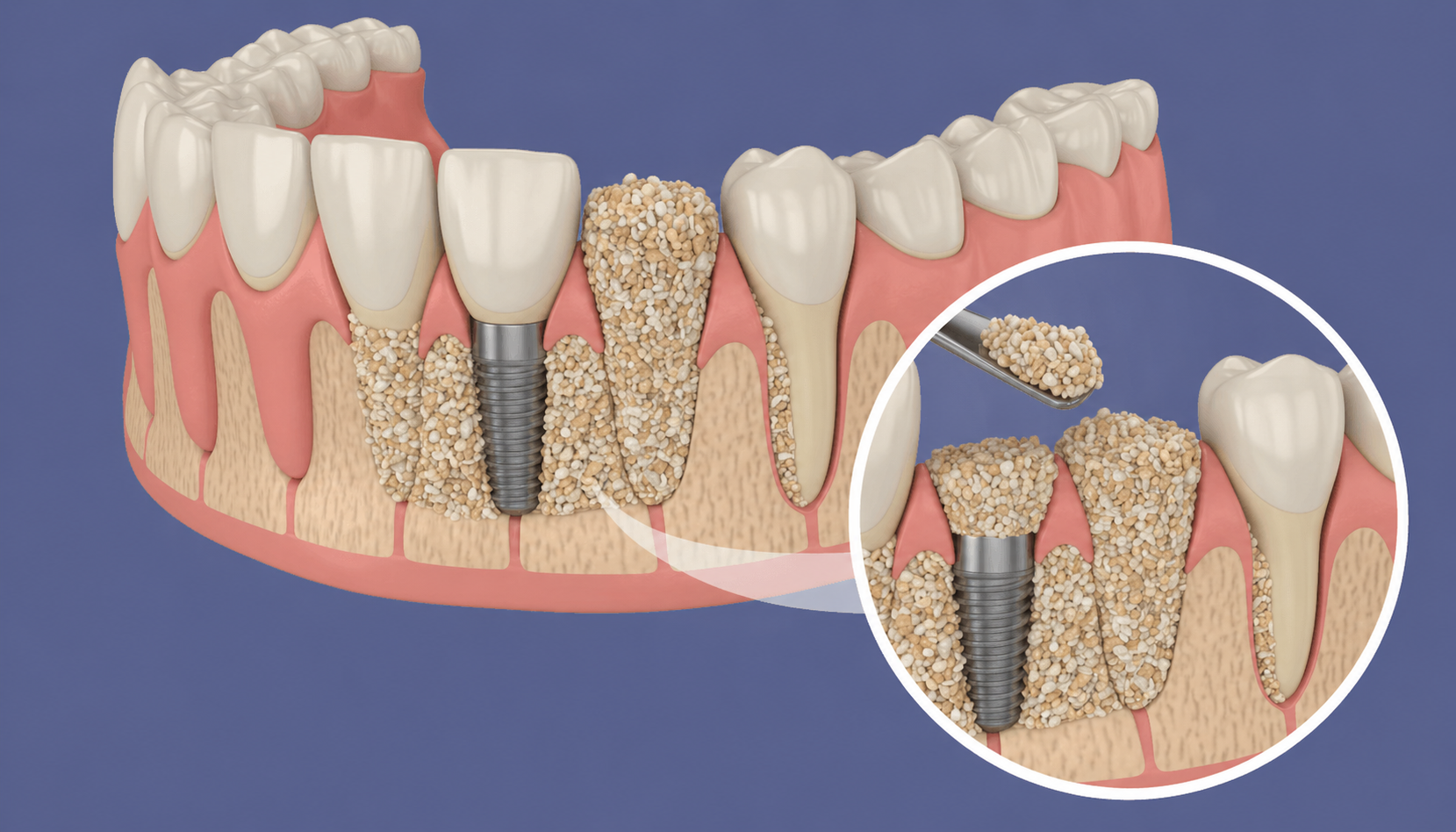
Bone grafting is a procedure that rebuilds lost or weakened jawbone tissue, creating a stable foundation for dental implants or preventing further bone loss after a tooth is removed. Without adequate bone support, implants cannot hold, and the jaw continues to shrink over time. At JB Dental Associates in Sterling, VA, Dr. performs bone grafting to give patients a viable path forward when bone loss would otherwise close that door.
If you have been told you do not have enough bone for an implant, or if you are nervous about what a grafting procedure involves, that concern is completely normal. Many patients put this off because it sounds intimidating or because they are not sure it is worth it. The goal here is straightforward: help you understand what is possible, address your questions honestly, and make the process feel manageable from the first appointment forward.
Bone grafting makes implants possible for patients who would otherwise not qualify. When jawbone has deteriorated from tooth loss, gum disease, or long-term denture wear, there may not be enough structure to anchor an implant securely. Grafting restores that structure so you have real, lasting options rather than a dead end.
Stopping bone loss early protects the shape of your face. When bone disappears after a tooth is extracted, the jaw shrinks and the surrounding facial tissue follows. A timely graft preserves your jaw's natural contour and prevents the sunken appearance that accelerates with every year a tooth stays missing.
Completing a graft now lowers the total cost and complexity of your treatment later. Waiting allows bone loss to worsen, which often requires more extensive procedures down the road. Patients in Sterling who address bone loss early typically reach their implant goal on a shorter timeline with fewer complications along the way.
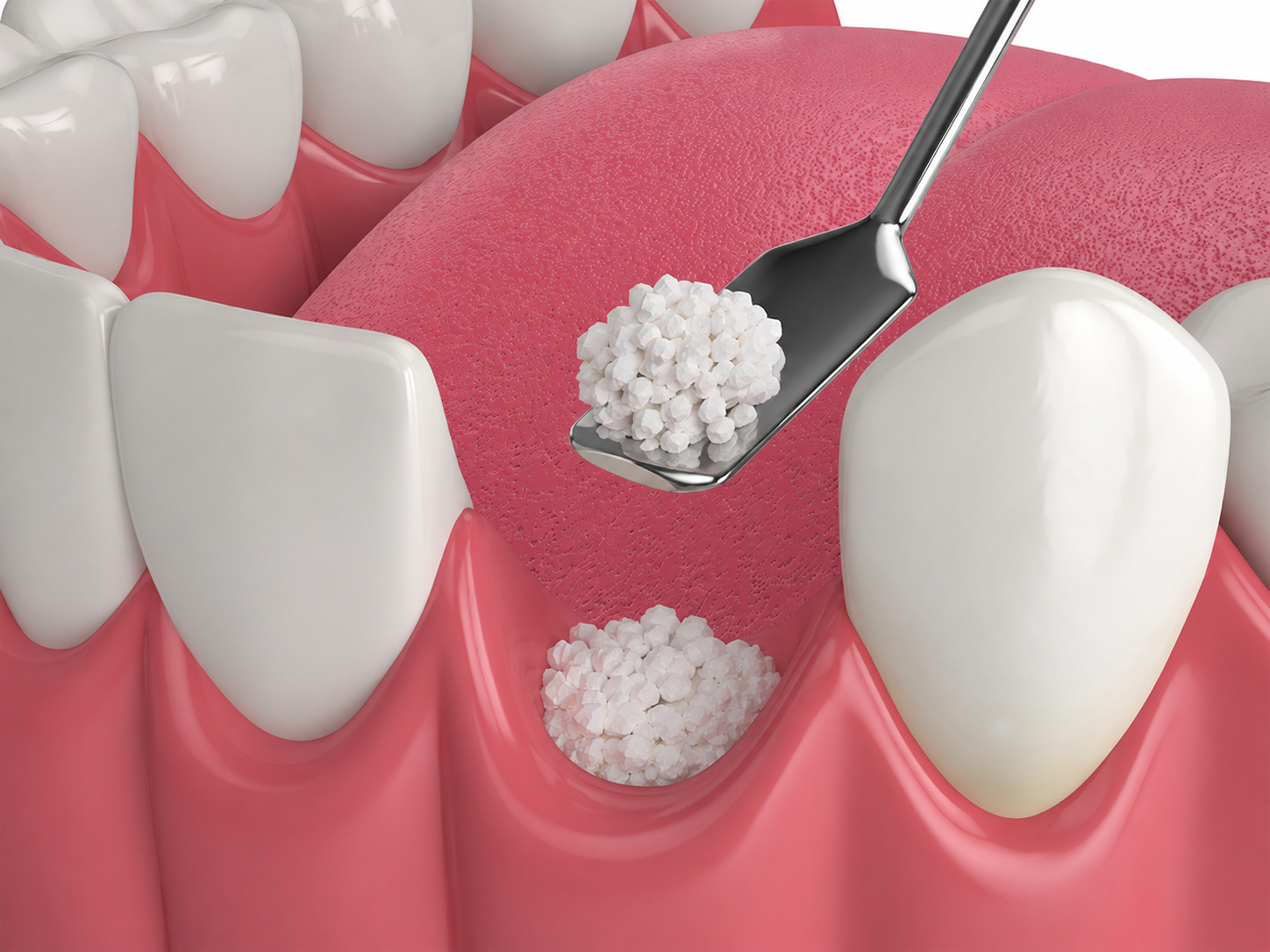
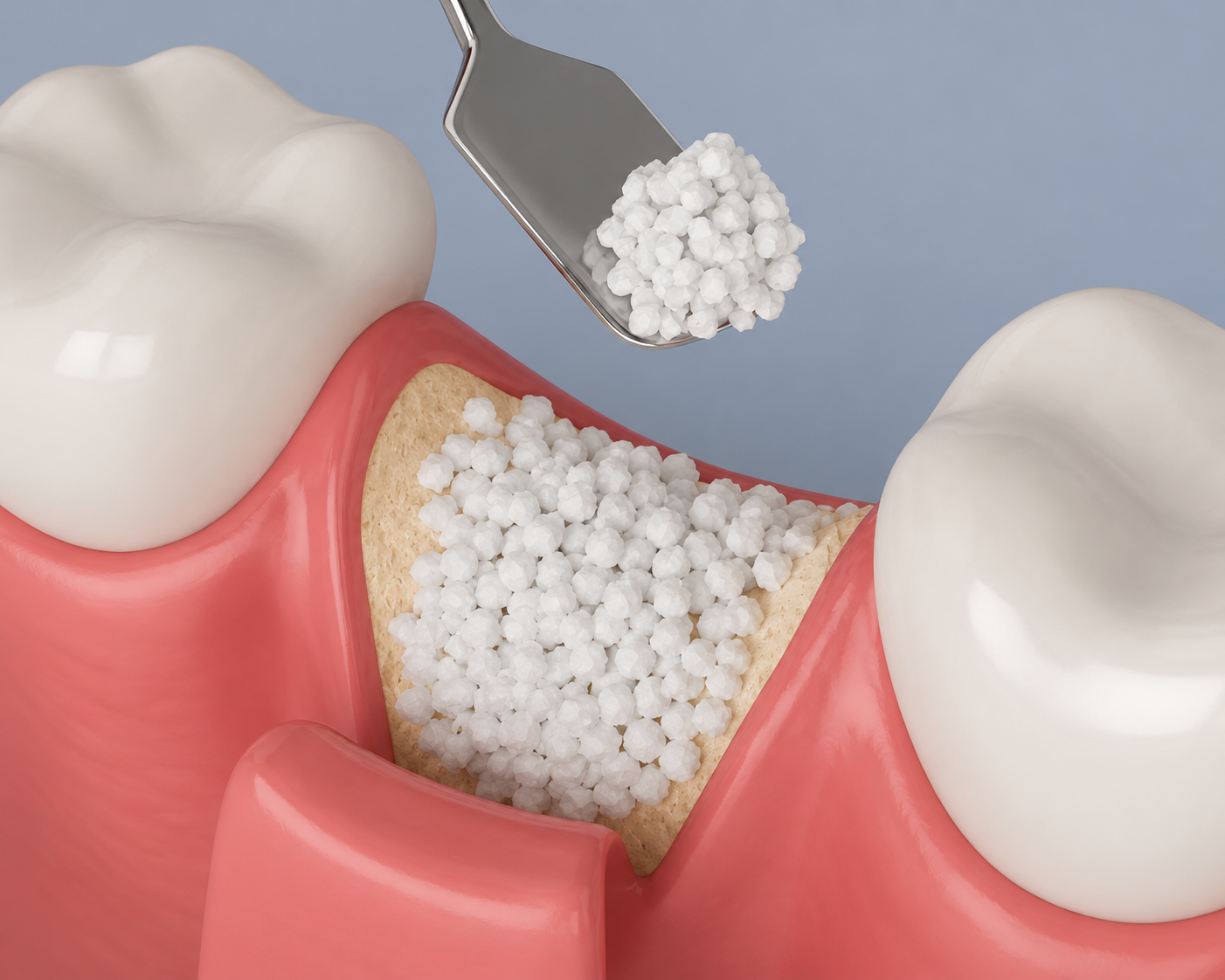
If you have had a tooth extracted, a socket preservation graft placed at the time of removal protects the bone that remains. Without it, the jawbone begins to resorb within weeks. This is one of the most common reasons patients at JB Dental Associates in Sterling pursue bone grafting, and acting quickly after an extraction produces the best outcomes.
Significant bone loss from gum disease often leaves the jaw too thin or shallow to support an implant without rebuilding first. Periodontal bone loss is gradual, which means many patients do not realize how much structure is gone until an implant evaluation reveals it. A grafting procedure addresses that deficit directly so the implant can be placed with confidence.
Patients who have worn dentures for several years frequently experience jawbone shrinkage beneath the appliance. This bone loss can make dentures fit poorly and rule out implant-supported options. Bone grafting in these cases rebuilds enough volume to open the door to implants and give patients a more stable, permanent solution than a removable appliance alone can provide.